
 GLOBAL
Search by application











Search by method of connection with device
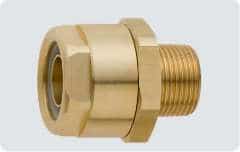
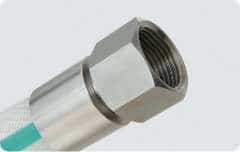
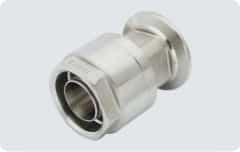
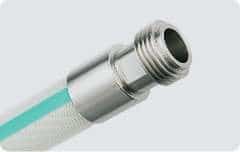
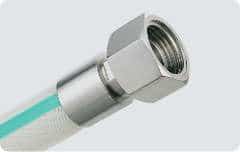
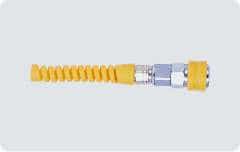

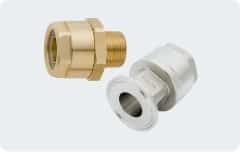
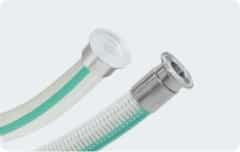
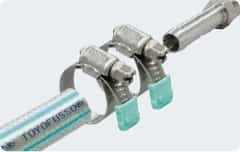
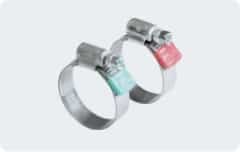


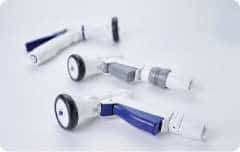
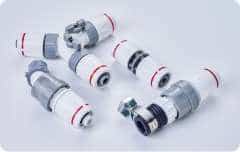
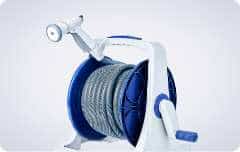
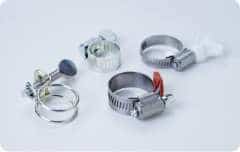
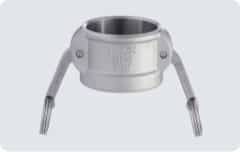
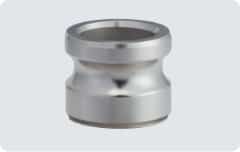
Select by device/piping connection type
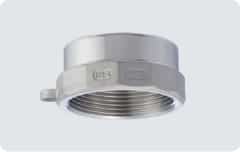
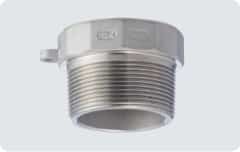
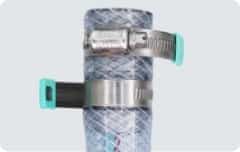
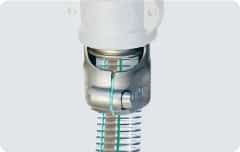
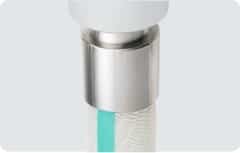
-
Search Products
-
-
Search by application

-
Search by usage conditions

-
Select from chemical resistance information
-
Search by model
-
-
-
Search by method of connection with device
-
Search by method of connection with hose
-
Search by usage conditions
-
Select from compatible couplings for your hose
-
Select from chemical resistance information
-
-
-
Search by product category
-
Select by device/piping connection type
-
Search by usage conditions
-
Select from chemical resistance information
-
-
Simplified piping system

-
-
Support and Downloads
- Inquire Now
- Hose Adviser Pro


 GLOBAL
FAQ
FAQ


FAQ
Search criteria
Product type
hose
Search results
44matches
- Q Can sodium hydroxide (caustic soda) be run through the TOYORON Hose? Fluid
-
A.
We do not recommend doing so because that will lead to early degradation of the hose. After about a year of feeding sodium hydroxide, the hose will turn yellow and harden. After that, the hose will degrade further and become stiffer, and the inside of the hose will become brown. We therefore recommend using the ECORON or TOYOFUSSO Hose for more durability.
- Q Does the TOYOCAP comply with the Food Sanitation Act? Part
-
A.
Yes. It is made from polyethylene and is compliant with Japanese Food Sanitation Act Public Notice No. 201.
- Q Can highly concentrated ozone water be run through the TOYORON Hose? Fluid
-
A.
Yes, that is fine.
- Q Can ground clips replace the hose bands? How are they installed? How to use
-
A.
Ground clips are not hose bands. Be sure to use hose bands.
For attachment instructions (TOYOTOP-E100°C Hose / TOYOFOODS EARTH Hose)
Page Top
We provide a wide range of support from selecting ideal products for specific usage conditions to downloading certificates regarding laws and regulations, as well as downloading of materials such as catalogs.
You can download useful materials that address issues such as “leaks and disconnections”, “energy-saving measures”, and “odor and coloration.”
We use videos to introduce the benefits of using products and how to install them, which may be difficult to understand just using text and illustrations.
We have compiled frequently asked questions from customers in the “FAQ” section.
To assist you in making selections, we provide common examples of improvements for hoses and couplings through industry-based case studies.